
The Department of VeterinaryClinical Studies is one of major component among different department in the School and it is one of core components of veterinary medical education and practice, focusing on the diagnosis, treatment, prevention, and control of diseases affecting animals. The department encompasses several important disciplines, including Veterinary Clinical Diagnosis, General Veterinary Medicine, Small Animal Medicine, Equine Medicine, Large Animal Medicine, Veterinary Surgery, Epidemiology, Preventive Medicine, and Veterinary Gynecology. Veterinary Clinical Diagnosis focuses on the systematic examination of animals and the identification of diseases through history taking, physical examination, laboratory investigations, diagnostic imaging, and other appropriate diagnostic techniques. General Veterinary Medicine deals with the recognition, diagnosis, treatment, and management of a wide range of medical conditions affecting different animal species, while specialized areas such as Small Animal Medicine, Equine Medicine, and Large Animal Medicine provide species-specific knowledge and clinical skills for managing diseases in companion animals, horses, cattle, sheep, goats, and other large domestic animals. Veterinary Surgery focuses on the surgical management of diseases, injuries, deformities, and other conditions requiring operative intervention, including preoperative assessment, anesthesia, surgical procedures, postoperative care, and pain management. Epidemiology is concerned with studying the distribution, causes, risk factors, and patterns of diseases within animal populations and plays an essential role in understanding and controlling infectious and non-infectious diseases. Preventive Medicine emphasizes measures that protect animal health and prevent the occurrence and spread of diseases through vaccination, biosecurity, sanitation, nutrition, herd health programs, disease surveillance, and appropriate management practices. Veterinary Gynecology focuses on the reproductive health of female animals, including reproductive disorders, infertility, pregnancy diagnosis, reproductive infections, hormonal problems, obstetrical conditions, and the management of reproductive performance. Together, these areas provide veterinary students with comprehensive theoretical knowledge and practical clinical skills necessary for accurate diagnosis, effective treatment, disease prevention, reproductive management, and overall animal health care. The department also contributes to research, clinical services, community outreach, and public health by addressing animal diseases that may affect livestock productivity, animal welfare, food security, and zoonotic disease control. Through classroom teaching, laboratory work, clinical rotations, field practice, and case-based learning, the Department of Veterinary Clinical Studies prepares students to become competent, ethical, and responsible veterinarians capable of responding effectively to diverse animal health challenges.
Established in 1999 (E.C.) on Wollega University’s main campus, the School of Veterinary Medicine (WU-SVM) is dedicated to advancing animal health, enhancing livestock productivity, and supporting national food security through high-impact education, research, and clinical services. Operating under a national mandate, the school preparesqualified veterinary professionals through diverse degree programs. Beyond classroom instruction, WU-SVM conducts problem-driven research on livestock diseases and production while participating in community engagement providing vital veterinary diagnostic and consultancy services.
Institutional Structure & Capacity Supported by a dedicated academic and administrative staff members, the school currently educates over 600 students. Its operational framework comprises three coordinating offices and four academic departments:
 As the Vice Dean, it is my great pleasure to welcome you to the School of Veterinary Medicine (WU-SVM) at Wollega University—a hub of academic excellence, applied research, and impactful community service. Structured with four core academic departments and three coordinating offices, we prepare professionals equipped to tackle animal health, public health, and livestock productivity challenges.
Excellence in Education, Research & Service
Driven by Wollega University's strategic mission to become one of the top ten African Universities of Applied Sciences by 2042, our school excels across three primary domains:
🎓 Academic Programs: Offering 3 undergraduate degrees (DVM, BVSc, and VLT) and 6 specialized Master of Science (MSc) postgraduate programs.
🔬 Applied Research: Conducting targeted scientific inquiries that address regional and national industry demands.
🏥 Clinical & Community Outreach: Providing expert veterinary care and community services that directly improve community livelihoods.
Our Core Values
Underpinning all our activities is a strong commitment to academic integrity, collaboration, transparency, and customer satisfaction. Our accomplished staff works hand-in-hand with students to ensure they are fully prepared for dynamic, impact-driven careers.
We cordially invite you to explore our academic offerings, research initiatives, and clinical service units. Prospective students, researchers, and partners are warmly invited to join our thriving academic community.
Lama Yimer (DVM, MVSc)
Assistant Professor of Veterinary Microbiology
Vice Dean, School of Veterinary Medicine
- Location: Wollega University (Main Campus), P.O. Box 395, Ethiopia
- Phone: +251 917081237
✉ Institutional Email:
✉Personal Email:
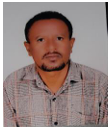 Bultosa Mosisa (PhD), President of Teachers’ Association
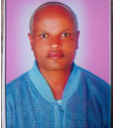
Mekonnen Negera (PhD), General Secretary
Vision and Mission of Wollega University Teachers’ Association
Vision: WUTA aspires to be the best, highly unified, and autonomous university professional association in Ethiopia, recognized for cultivating an outstanding, technology driven academic ecosystem and safeguarding the welfare and professional excellence of educators.
Mission: WUTA democratically advocates for academic staff duties, rights, and interests, leads educational quality assurance initiatives, drives community-centric research innovation, and builds an inclusive, ethically responsible generation through strategic institutional partnerships.
Since its establishment, the department has been graduating professional Artists and Folklorists. Accordingly, the theatre program graduated 8 batches since, 2009 E.C, in regular program, Music program graduated 7 batches in regular and 1 batch in summer program since 2010 and the Visual Art also graduated 7 batches in regular and two batches in summer program since 2010, while the Oromo Folklore has graduated three batches in regular. The current, number of students under each department (Male 135 & Female 99 = Total 234 in the modality of BA) in both Regular and Summer Programs
Programs Under each Department
(BA) in Music Art (Regular M 16, F 6 Total 22)
(BA) in Theatre Art (Regular M 13, F 10 Total 23)
(BA) in Visual Art (Regular M 14, F 4 Total 18)
(Summer M 39, F 50 Total 89)
(BA) in Oromo Folklore (Regular M 24, F 10 Total 34)
(Summer M 29, F 19 Total 48)
- Current Number of Students under the department (Male: 32 & Female: 21)
|
First Degree (BA) |
Second Degree (MA) |
Third Degree (PhD) |
||||||
|
M |
F |
T |
M |
F |
T |
M |
F |
T |
|
32 |
21 |
53 |
- |
- |
- |
- |
- |
- |
- Number of Students (Male & Female) Regular & Summer
|
BA/BSc |
MA/MSc |
PhD |
||||||
|
M |
F |
T |
M |
F |
T |
M |
F |
T |
|
48 |
41 |
89 |
0 |
0 |
0 |
0 |
0 |
0 |
Programs Under The Department
- (BA) in Ethiopian Languages & Litrature –Amharic (Male= 12 Female= 13 Regular)
- (BA) in Amharic Languages & Litrature (Male 36= Female= 28 Summer)
- (MA) in Teaching Amharic (Male =0 & Female=0)
The department’s five full-time academics include:
- 4 Assistant Professors (expertise in: Applied Linguistics, Folklore, and linguistics)
- 1 PhD candidate
Their research addresses critical topics in Amharic pedagogy, Amharic in mass media, language use in public discourse, digital communication trends, linguistic theory, language development, and cultural preservation with publications in national and international journals.